
2026 EOA Management Committee Elections
Voting in the 2026 EOA Management Committee elections opens today.
All current EOA members are eligible to vote and will receive an email with a unique code to access the ballot.
Voting will close at the 2026 Annual General Meeting (AGM) on Thursday 3 December 2026 at 13:00 AEDT (UTC +11).
We encourage you to vote for your preferred candidates for:
1 x Secretary
5 x Non-Executive members
Please find our nominees’ profiles below.
Candidate for Secretary
Secretary Candidate
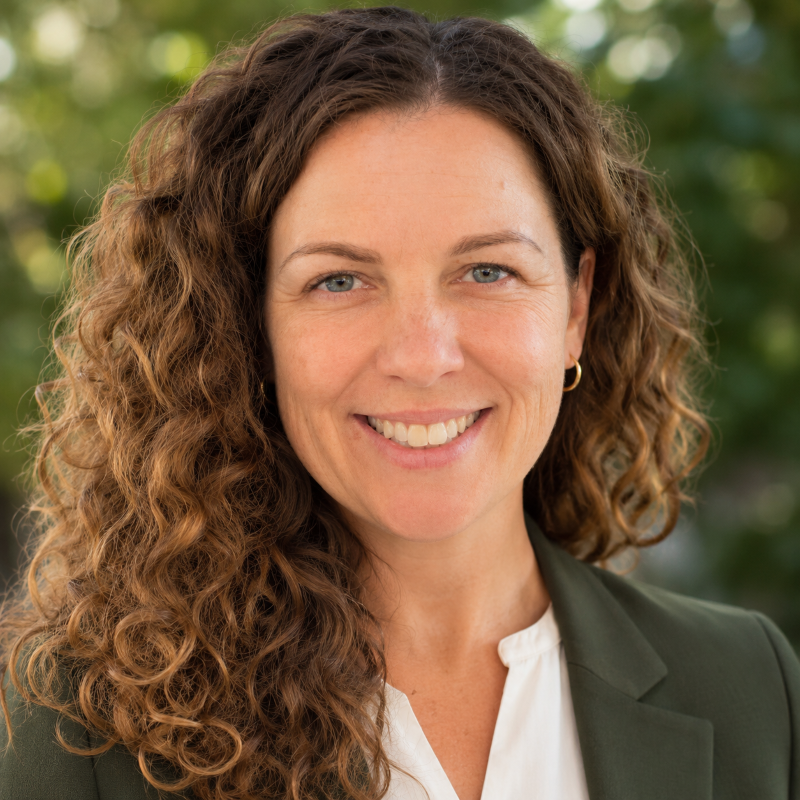
Jess Burrows
I bring a combination of geoscience training, teaching experience and a growing applied focus in Earth observation.
I hold a Bachelor of Applied Science (Geoscience) and am completing postgraduate study in environmental science, with a focus on remote sensing and spatial analysis. My university projects have used satellite imagery to investigate freshwater availability, wetlands, vegetation condition and water quality.
I have experience with QGIS, ArcGIS, DEA Sandbox and introductory Python workflows.
Jess’ nomination is endorsed by Prof Bradley Evans and Dr Debbie Chamberlain.
Candidates for Non-Executive Positions
Non-Executive Candidate 1
Adam Lewis
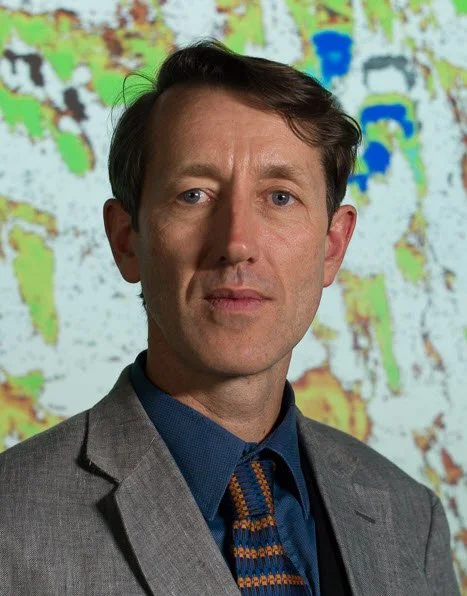
I have extensive experience in EO in Australia and Africa at technical and leadership levels. My contributions have been acknowledged with the Public Service Medal. My qualifications include a PhD and graduation from the Australian Institute of Company Directors.
Over the past 25 years, my contributions have ranged from the first accurate mapping of the Great Barrier Reef through to the Open Data Cube, Digital Earth Australia, CEOS Analysis Ready Data and the successful establishment of Digital Earth Africa. I have experience in governments, research networks, and academia. Whilst in Geoscience Australia I successfully brokered and fostered relationships with the international community (the European Commission, ESA, CEOS and the USGS in particular) to help to assure Australia's access to EO data. I also fostered relationships within Australia, through the Copernicus data Hub, participation in IMOS and TERN, funding the early stages of Earth Observation Australia, and establishing the OGRE procurement panel (circa 2013?) to try to strengthen links between government and commercial EO capabilities.
My best moments have been the privilege and reward of mentoring students and early career scientists, particularly as Chief Scientist in Geoscience Australia, a role that I filled in 2017-18.
I'd like to see EOA succeed and go to the next level. I encourage simple but ambitious strategic goals for EOA, such as Transforming Australians' understanding of how EO helps them, and Fostering the development of an Australian EO Capability Statement that can track progress through time. Being unaffiliated, I can provide EOA with an independent, experienced, strategic voice.
Adam’s nomination is endorsed by Dr David Hudson and Prof Bradley Evans.
Non-Executive Candidate 2
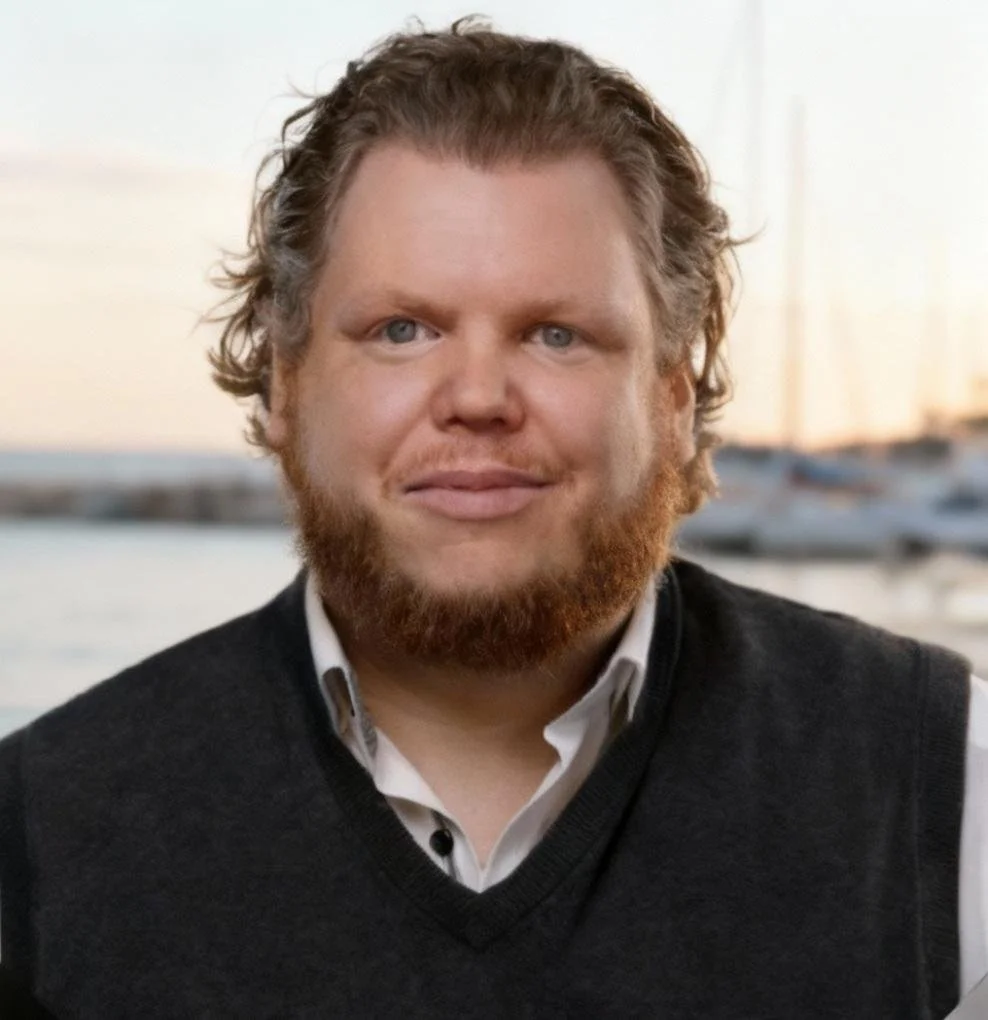
Andreas Froehlich
I am a PhD researcher at Griffith University, supported by a CSIRO postgraduate top-up scholarship, working on distributed space-based radar for small satellites with maritime applications. My work combines radar system analysis, antenna and payload development, and satellite data processing, including Sentinel-1 and NISAR.
I contribute to Team Queensland’s PocketQube payload project, selected for the IEEE Geoscience and Remote Sensing Society Student Grand Challenge. Bringing together Griffith University and the University of Queensland with CSIRO mentorship, the project develops an instrument to monitor radio-frequency interference affecting passive microwave Earth observation. I have also taught electric circuits, electromagnetics, and Python at Griffith, developing my ability to explain technical concepts and support students.
I wish to join the EOA Management Committee to strengthen connections between radar engineering, EO applications, and the broader Australian EO community. I would bring an early-career perspective and practical experience spanning sensing hardware and data processing. I am particularly interested in helping researchers and users understand the capabilities, limitations, and opportunities of radar observations.
I would welcome opportunities to support radar-focused knowledge sharing, student and early-career engagement, and activities connecting universities, research organizations, and industry. Through these contributions, I aim to help emerging researchers participate more actively in Australia’s EO community and strengthen the exchange between technical development and application needs.
Andreas’ nomination is endorsed by Asharp Godwin and Alex Borisut.
Non-Executive Candidate 3
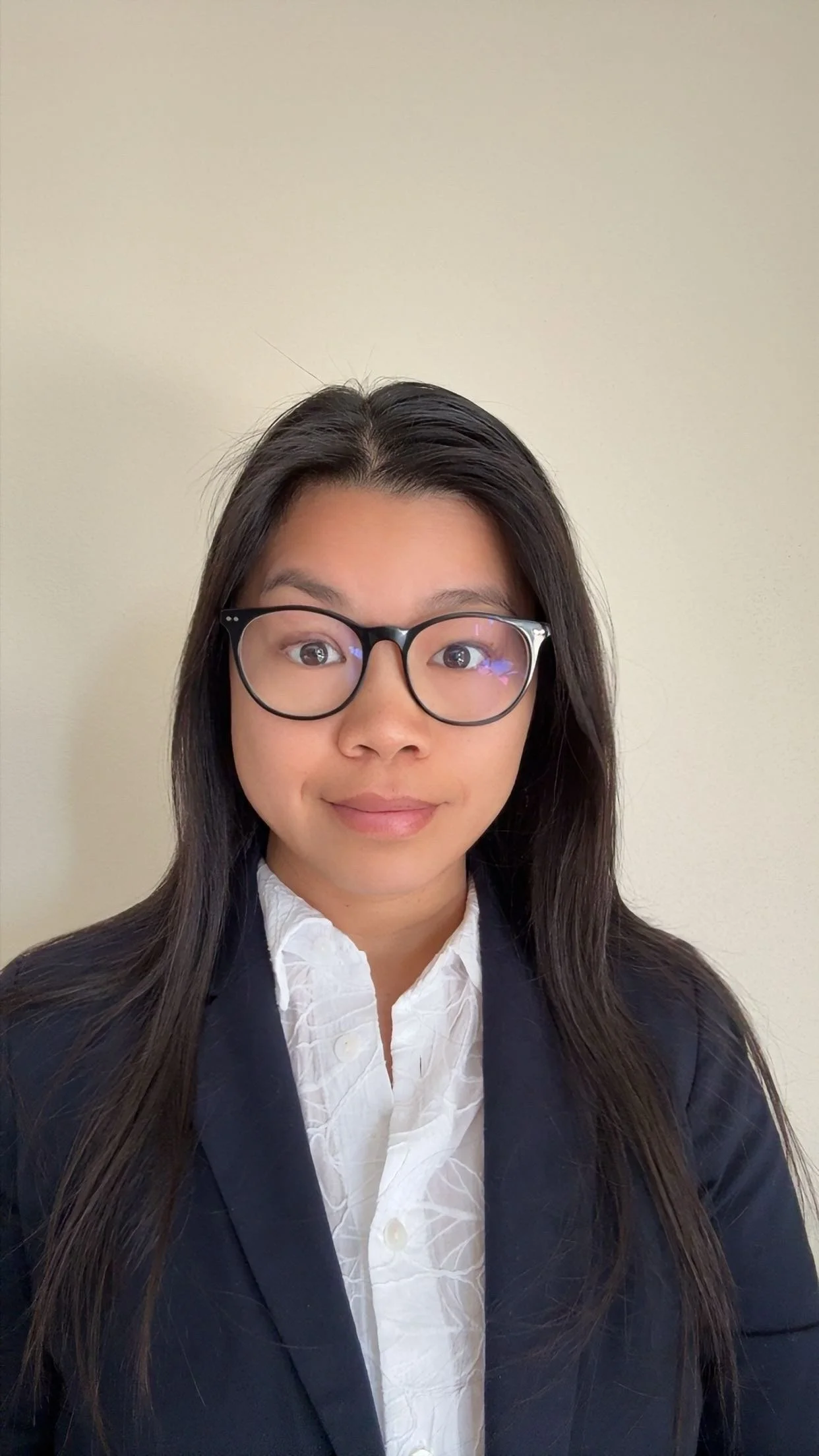
Annie Nguyen
My path into Earth observation hasn’t been a straight one. I started as a geoscientist, first at Geoscience Australia and then modelling earthquakes at ANU, before moving into ecology. Since then I’ve built species distribution models at ABARES and worked in remote sensing with the Queensland Government. Now I’m a postdoctoral researcher at Adelaide University.
These days I’m working with drone lidar and hyperspectral imagery, trying to map and monitor vegetation in ways that are useful for policymaking. Moving between disciplines has shaped how I see the field, and it has also convinced me that Earth observation has a big part to play in building a sustainable future, especially within the next decade. And I want to play an active role in shaping that. Joining the EOA Management Committee would enable me to represent our community, support its needs, and help make sure Earth observation keeps growing in Australia.
I’ve previously served as a director and councillor with the Royal Geographical Society of Queensland and the Australian Wildlife Society. Thus, I am already familiar with setting priorities, managing budgets and putting resources towards clear goals within small organisations.
Members can connect with me on LinkedIn at www.linkedin.com/in/ngoc-nguyen-geoscientist.
Annie’s nomination is endorsed by Dr Lavender (Qingxiang) Liu and Fabrice Marre
Non-Executive Candidate 4
Carsten Laukamp
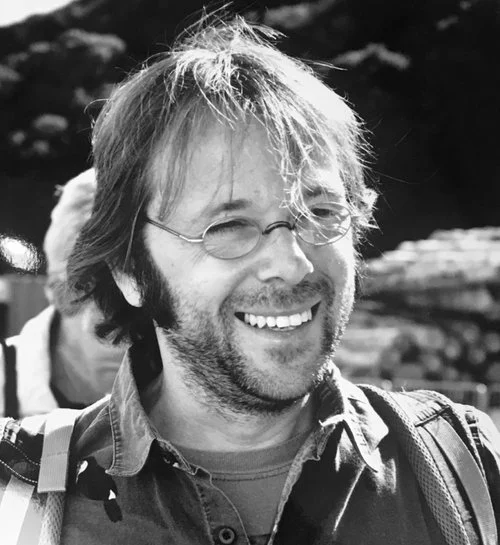
I’m a Principal Research Scientist with CSIRO Mineral Resources, overseeing a portfolio of collaborative research projects with government agencies and industry. My work aims to evaluate remote and proximal sensing technologies for critical metals exploration and resource characterization. My research spans from studying the physicochemistry underlying mineral and vegetation spectral signatures to ML-assisted modelling of geochemical and petrophysical parameters, and integration of optical and geophysical Earth Observation. I’m a co-lead of IEEE’s Working Group on Spectroscopic Sensing of Earth Materials of the Geoscience Spaceborne Imaging Spectroscopy Technical Committee (GSIS TC) and a member of advisory boards for EU-funded projects on multi-scale Earth observation (e.g. hyperspectral, LIDAR).
In my position as non-executive member of the Earth Observation Australia 2026/27 Management Committee, I would advocate for EO within the Australian and international minerals industry and help to explore common goals with the environmental and agricultural sectors. Examples include easing access to the latest EO imagery, and sharing image processing methods and workflows between researchers and industries across all disciplines. This would not only benefit each sector but also help growing Australia’s role in the international EO community.
Carsten’s nomination is endorsed by Prof Bradley Evans and Stewart Whitman.
Non-Executive Candidate 5
George Dyke
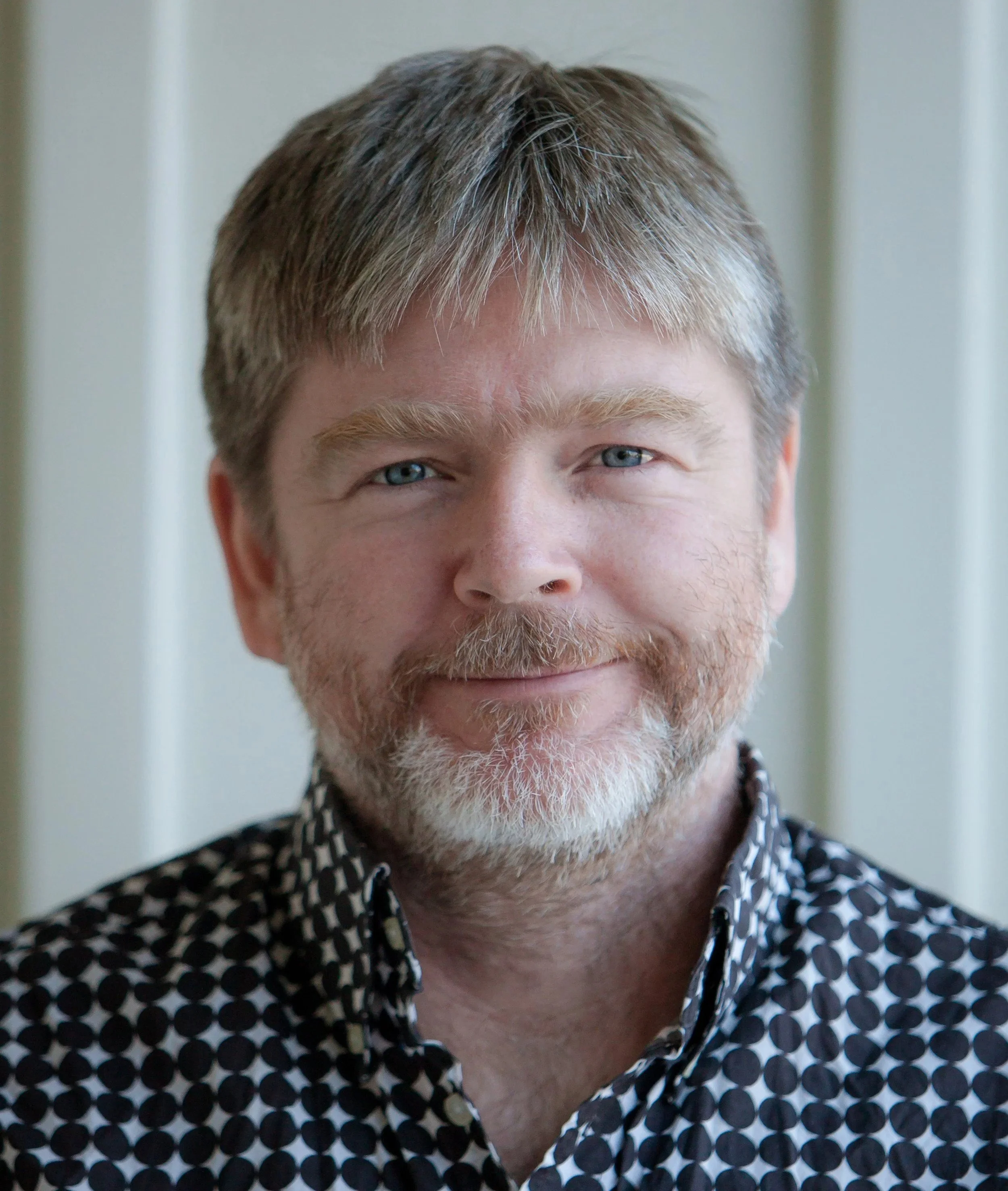
I am founder and director of Diamond Sky Australis, an Australian Earth observation consultancy focused on connecting satellite capabilities, international coordination and practical applications. My work through Diamond Sky draws on more than 20 years in the EO community, including long-standing work with Symbios supporting space agencies and national coordination efforts.
That experience includes projects with ESA, JAXA, NASA and USGS, as well as Geoscience Australia, CSIRO and the Bureau of Meteorology. I have co-authored the Earth Observation Handbook, supported the EO Portal, and helped develop the CEOS Missions, Instruments and Measurements Database and the new CEOS EO Capabilities Explorer.
As a current member of EOA’s Management Committee, I have contributed to developing the Supporter Program and participated in the Advancing Earth Observation Forum. That work has reinforced the importance of an independent, sustainable organisation connecting Australia’s diverse EO community.
I am seeking re-election to help EOA strengthen links between research, government and industry, enhance Australia’s international engagement, and turn our technical expertise into practical value. Through Diamond Sky, I see how much can be gained from connecting people, data and capabilities across institutional boundaries. I would welcome the opportunity to continue bringing that perspective to EOA.
https://www.linkedin.com/in/georgedyke/
George’s nomination is endorsed by Alex Leith and Sebastian Robertson.
Non-Executive Candidate 6
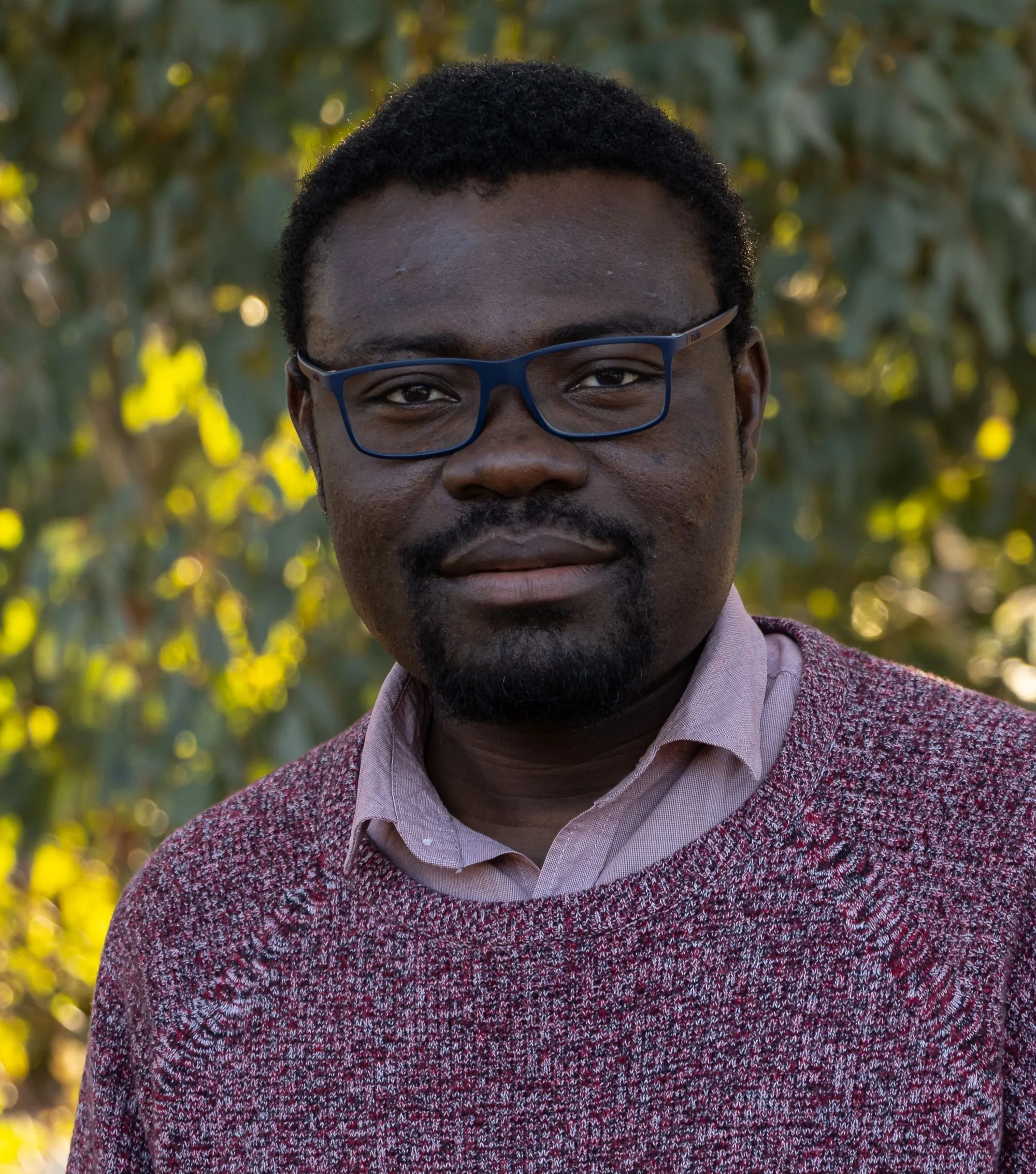
Richard Crabbe
I am a Senior Lecturer and Researcher – Remote Sensing at Charles Darwin University (CDU), where I lead the CDU Remote Sensing and Earth Observation Research Group. My work focuses on Earth observation, remote sensing, geospatial intelligence, GeoAI and big Earth data analytics, with applications in environmental monitoring, biodiversity conservation, water resources, agriculture and natural resource management.
I bring extensive experience applying satellite remote sensing, SAR, LiDAR, UAV and AI-based approaches to address complex environmental challenges. My research involves collaborations with government agencies, industry, research institutions and Indigenous communities, particularly across Northern Australia. I have played leading roles in major externally funded research programs, including the AUD 7.1 million Beetaloo regional monitoring program, alongside a strong record in research leadership, postgraduate supervision and interdisciplinary collaboration.
Richard’s nomination is endorsed by Glen Shennan and Matt Garthwaite.
Non-Executive Candidate 7
Rory Donnelly
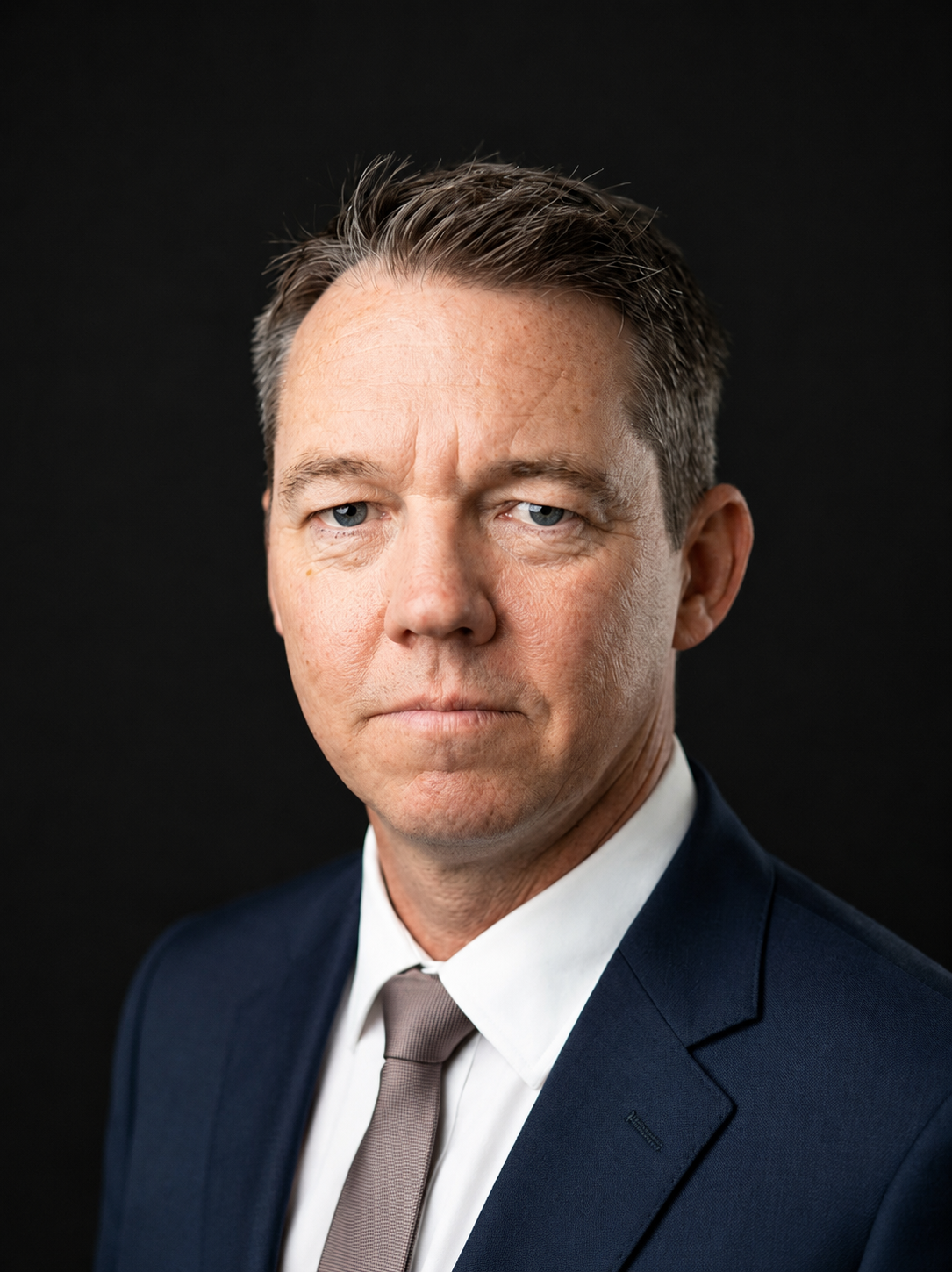
I lead a team of twelve EO scientists across Australia, Europe and North America. We deliver EO and machine learning services on Google Earth Engine and Cloud to a wide range of private and public sector clients.
My governance experience includes Board Director of the South-West Centre of Excellence in Satellite Applications (UK), User Representative on the Copernicus Marine Service Champion User Board, and European Commission expert evaluator from 2013 to 2022. I am Treasurer of Safety Bay Tennis Club and am completing an MBA at UWA focused on strategy and governance.
I have spent twenty years turning research-grade EO into services people use. At Plymouth Marine Laboratory I set up a commercial division and developed an oil-spill detection service for the Malaysian government. As Business Manager of EARSC, the European EO industry association, I worked with the Commission and ESA on Copernicus uptake and led European industry delegations to Panama and the Philippines.
In Australia I wrote an Indigenous inclusion strategy for the EO sector in 2023, and participated as part of the organising committee for AEO Forum 2026.
I have seen first-hand what a well-run industry body can do for a sector, and I would like to bring that experience to EOA. My focus would be growing commercial and government uptake of EO across Australia, and supporting First Nations participation in the sector.
Rory’s nomination is endorsed by Prof Bradley Evans and Terri Freemantle
Shaik Mohamed Zaffar Sadiq Mohamed Ghouse
Non-Executive Candidate 8
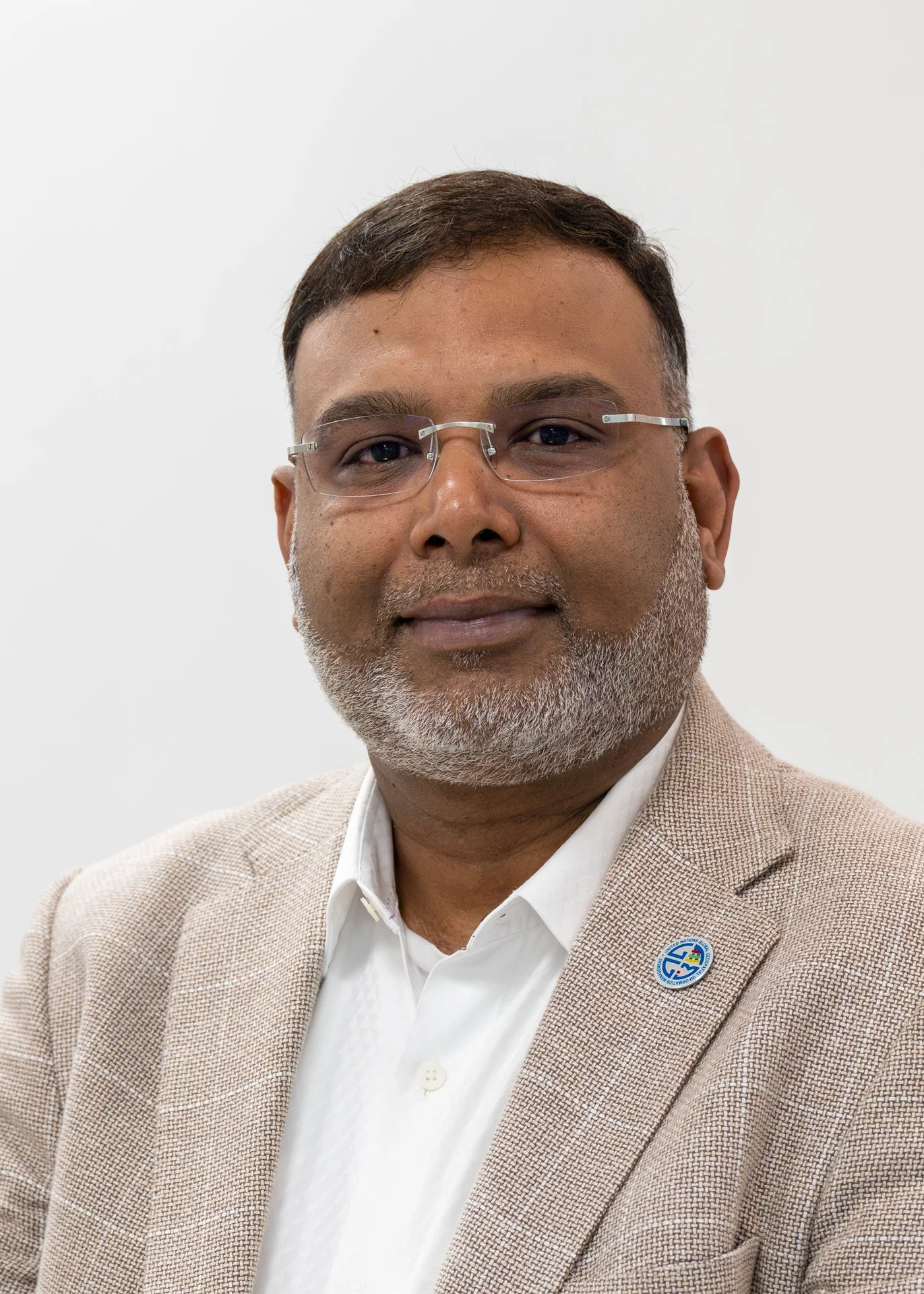
I am honoured to nominate for election to the Earth Observation Australia (EOA) Management Committee. Having worked extensively across the Earth observation, geospatial, and digital innovation sectors, I am committed to advancing the interests of the Australian Earth observation community and strengthening its impact nationally and internationally.
With more than 28 years of experience spanning industry, government, academia, and international organisations, I bring a combination of strategic leadership, governance expertise, and global engagement that aligns strongly with EOA’s mission. In my current role as Vice President and Director of Geospatial Advisory and Innovation at Woolpert , I work at the intersection of Earth observation, geospatial technologies, and digital transformation, helping organisations leverage data and innovation to address complex environmental, infrastructure, and societal challenges.
My commitment to the Earth observation community is reflected in a range of leadership positions, including serving as a Principal Member of the Group on Earth Observations (GEO) Programme Board, Vice Chair of the Open Geospatial Consortium (OGC) Board of Directors, and Chair of the United Nations Global Geospatial Information Management Geospatial Societies (UN-GGIM:GS). I have also had the privilege of serving as Vice President of the International Society for Digital Earth (ISDE), President of the Surveying and Spatial Sciences Institute (SSSI), and Director of FrontierSI.
As Fellow of Engineers Australia, Principal Fellow of the University of Melbourne, Adjunct Industry Professor, I remain passionate about fostering collaboration, developing future leaders, and promoting interoperable and accessible Earth observation ecosystems.
If elected, I will bring my international networks, governance experience, and collaborative leadership approach to support EOA’s continued growth, strengthen engagement across the community, and help maximise the value and impact of Earth observation for Australia. I would be honoured to serve and contribute to the future success of Earth Observation Australia.
https://www.linkedin.com/in/zaffar-sadiq-mohamed-ghouse-455a573/
Zaffar Sadiq’s nomination is endorsed by Alex Leith and Gordon Sumerling.